Priority response
Treat this as priority when the symptom is active, repeating, damaging property, or creating heat, smell, sewage, or comfort risk.
Outlet troubleshooting for GFCI resets, tripped breakers, failed receptacles, loose wiring, old circuits, and hidden remodel issues.
These links keep the path practical: service page first, similar symptoms second, and local pages when the property context matters.
The point is not to turn the homeowner into a technician. It is to reduce risk and give dispatch better evidence before the visit.
Treat this as priority when the symptom is active, repeating, damaging property, or creating heat, smell, sewage, or comfort risk.
Useful checks include test nearby GFCI resets, check breaker position once, unplug connected devices, note if outlet is warm. Stop at observation if the system is unsafe or unfamiliar.
Do not replacing outlet without testing, using ungrounded adapters, resetting breakers repeatedly. Those shortcuts often hide the cause or add damage before the technician arrives.
When dead outlet shows up, the homeowner is usually trying to decide whether the issue is safe, urgent, and repairable. The intent is direct: Homeowner has one or more outlets that stopped working and wants safe troubleshooting before replacing devices.. The helpful move is to separate immediate safety, safe homeowner checks, likely causes, and the point where a professional diagnosis is needed.
In Los Angeles, the same symptom can come from different building conditions. Coastal moisture, Valley heat, hillside access, older wiring, slab foundations, dense multifamily plumbing, and remodel history all change the diagnostic path. That is why this guide frames dead outlet around causes, tests, local risks, and next steps.
The urgency for this issue is best treated as priority. That does not mean every case is identical. A breaker trip with burning odor is different from a one-time trip after a portable appliance. A water heater puddle from a valve is different from a leaking tank seam. An AC that is weak on a mild day is different from no cooling during a heat advisory. The practical rule is to prioritize safety, containment, and documentation before chasing convenience.
If the condition is active, damaging property, creating electrical heat or smell, exposing sewage, or affecting a vulnerable person, book service quickly. If the issue is stable but repeated, do not keep resetting, clearing, or restarting it without a diagnosis. Repeated symptoms are the home telling you there is a pattern.
Common causes include tripped GFCI upstream, tripped breaker, failed receptacle, loose backstab connection, open neutral, old two-prong wiring, and damaged circuit from remodel work. The order matters. Good diagnosis starts with the safer, more common, and easier-to-verify causes before moving toward invasive or expensive explanations. That keeps homeowners from buying a replacement when a control, valve, drain, filter, device, or pressure issue was the real failure.
The cause should be proven with measurements, observation, or isolation. For HVAC, that may mean temperature, airflow, electrical, and refrigerant readings. For plumbing, it may mean pressure, fixture pattern, camera evidence, leak isolation, or water heater safety review. For electrical, it may mean circuit tracing, voltage, load, GFCI/AFCI behavior, panel inspection, or device testing.
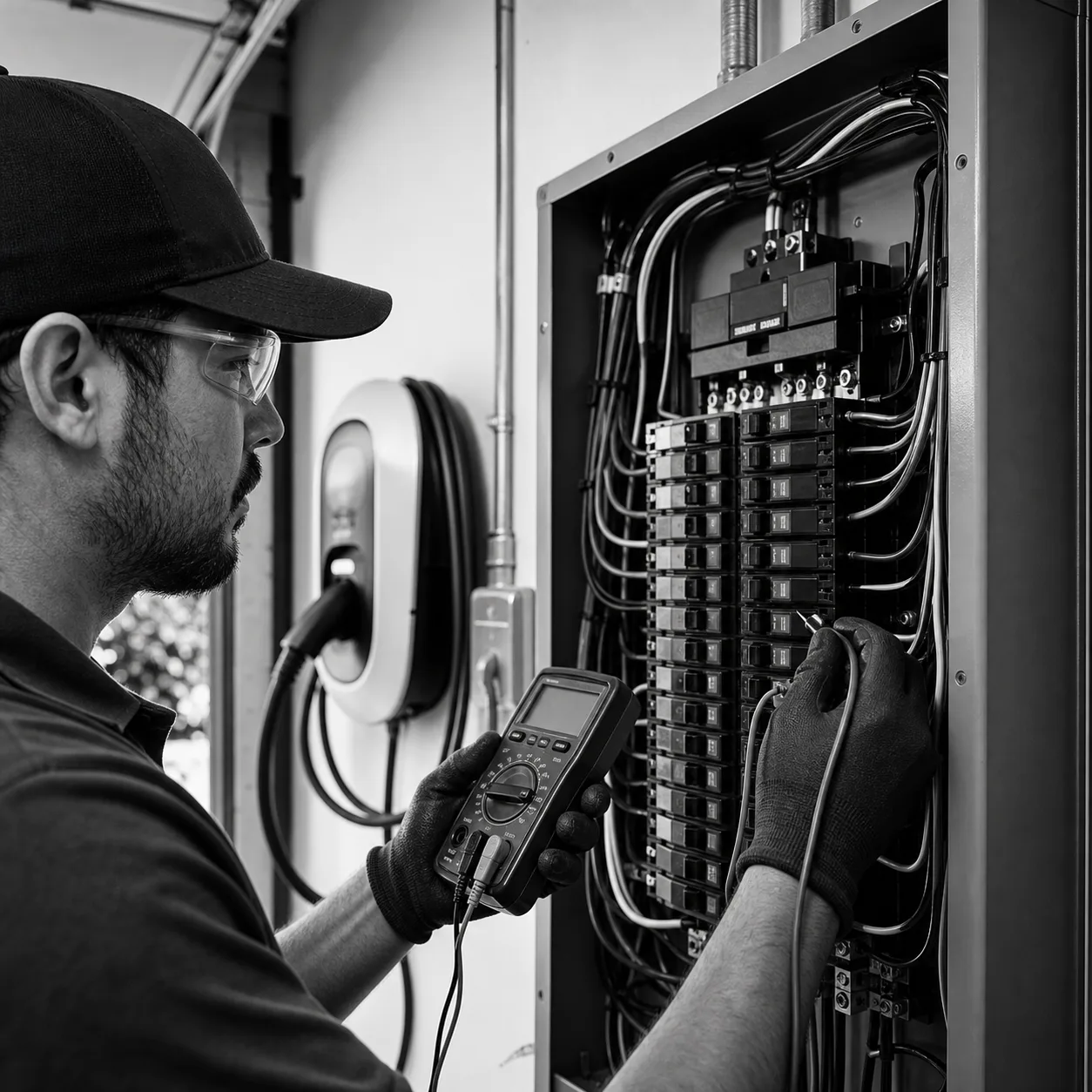
A professional diagnostic visit for dead outlet should include identify all affected outlets, GFCI upstream search, breaker and panel check, receptacle testing, wiring method inspection, and grounding review. The goal is not to perform every possible test in every home. The goal is to choose tests that separate likely causes cleanly, then explain the findings so the owner understands the repair path.
A good technician should also explain which conditions could change the scope. Hidden pipe damage, inaccessible cleanouts, old panels, failed shutoff valves, roof access, frozen coils, shared building systems, or utility coordination can all affect cost and timing. The owner deserves to hear those possibilities before work expands.
Before service, safe checks can help dispatch and reduce wasted time. For this symptom, useful checks include test nearby GFCI resets, check breaker position once, unplug connected devices, note if outlet is warm, do not use if scorched, and take photos of location. These checks should stay observational unless the homeowner is certain they can act safely. A photo of the equipment label, panel, leak location, error code, or affected fixture can be more valuable than a risky attempt to fix the issue.
Write down when the symptom started, whether it is repeatable, what changed recently, and whether the issue affects one room, one fixture, one circuit, or the whole home. That pattern is often the fastest route to a correct diagnosis.
Avoid shortcuts such as replacing outlet without testing, using ungrounded adapters, resetting breakers repeatedly, ignoring scorched marks, and working hot. These actions can make the problem harder to diagnose, damage equipment, create safety risk, or turn a small repair into a larger one. The most dangerous version is repeated reset behavior: resetting breakers, relighting equipment, clearing codes, or restarting systems without understanding why the protection engaged.
Home service is full of symptoms that look harmless until they repeat. A wet HVAC pan, warm outlet, slow main drain, flickering whole-home lights, relief valve drip, or frozen coil is not just an annoyance. It is a signal that the system is protecting itself or failing to protect the home.
older LA homes often have mixed grounded and ungrounded circuits, kitchen and bath GFCIs may feed unexpected outlets, remodels can hide junctions, and apartments may have shared panel access These local angles are the reason this problem deserves a Los Angeles page rather than a generic national explanation. A homeowner in Woodland Hills may have a heat-load issue that a coastal homeowner does not. A Santa Monica exterior outlet may fight moisture and corrosion. A Torrance slab leak suspicion may need a different access plan than a hillside pipe route in Silver Lake.
The best estimate should include those local conditions in plain language. If the page earns the click by mentioning LA, the service should earn the trust by showing how LA changes the work.
For dead outlet, repair is usually right when the failure is isolated, parts are available, safety is restored, and the underlying system is otherwise sound. Replacement becomes stronger when the issue repeats, major components are failing, the system is unsafe, the surrounding infrastructure is wrong, or the repair leaves the owner with the same capacity problem.
This decision should be written down. A useful proposal explains the immediate repair, the remaining risk, the reason replacement is or is not recommended, and whether related trades matter. For example, an HVAC issue may require electrical capacity review, a water heater issue may require pressure correction, and an EV charger issue may require load management or panel planning.
This problem connects most directly to electrical repair los angeles, and whole home rewiring los angeles. It also appears often in local pages such as west hollywood, hollywood, north hollywood, echo park, and long beach. Internal links should help the user move from symptom to service to local context without forcing them through thin pages.
That structure follows how people actually make the decision. A homeowner can start with a symptom, move to the core service page, then confirm local service coverage before booking. The goal is to shorten the path from problem to a good decision.
If you are dealing with dead outlet in Los Angeles, treat the symptom as a diagnostic clue, not a final diagnosis. Check only what is safe, document what you see, stop using the affected system if there is heat, smell, water, sewage, repeated trips, or visible damage, and book the correct trade.
Use the linked service path for the trade diagnosis, then bring photos, model numbers, error codes, recent changes, and any safe observations into the appointment so the first diagnostic step is already better informed.
It may be the outlet, an upstream GFCI, breaker, loose connection, open neutral, or damaged wiring.
Only if you can verify power is off and understand the wiring. Scorched, loose, or ungrounded conditions should be handled professionally.
Older and remodeled homes can have unexpected circuit paths. Testing is better than guessing.
Share when the symptom started, whether it repeats, and what you have already checked safely. That context helps separate a quick repair from a larger system issue.
Active leak, sewage backup, burning electrical smell, or repeated breaker trips? Stop using the affected system and call instead of booking online.
Good home service is not just speed. It is the quality of the first diagnosis, the clarity of the scope, and whether the technician names the hidden conditions before they become expensive surprises.
HVAC calls should include temperature, airflow, electrical, and access checks. Plumbing calls should include pressure, isolation, fixture pattern, and water heater safety. Electrical calls should include circuit, panel, load, and device review.
The proposal should explain the confirmed cause, what could change price, which related trade may matter, and what risk remains if the homeowner chooses the smaller repair.
Coastal corrosion, Valley heat, hillside access, older wiring, slab leaks, shared buildings, ADUs, and EV charging can all turn a simple symptom into a whole-home systems decision.